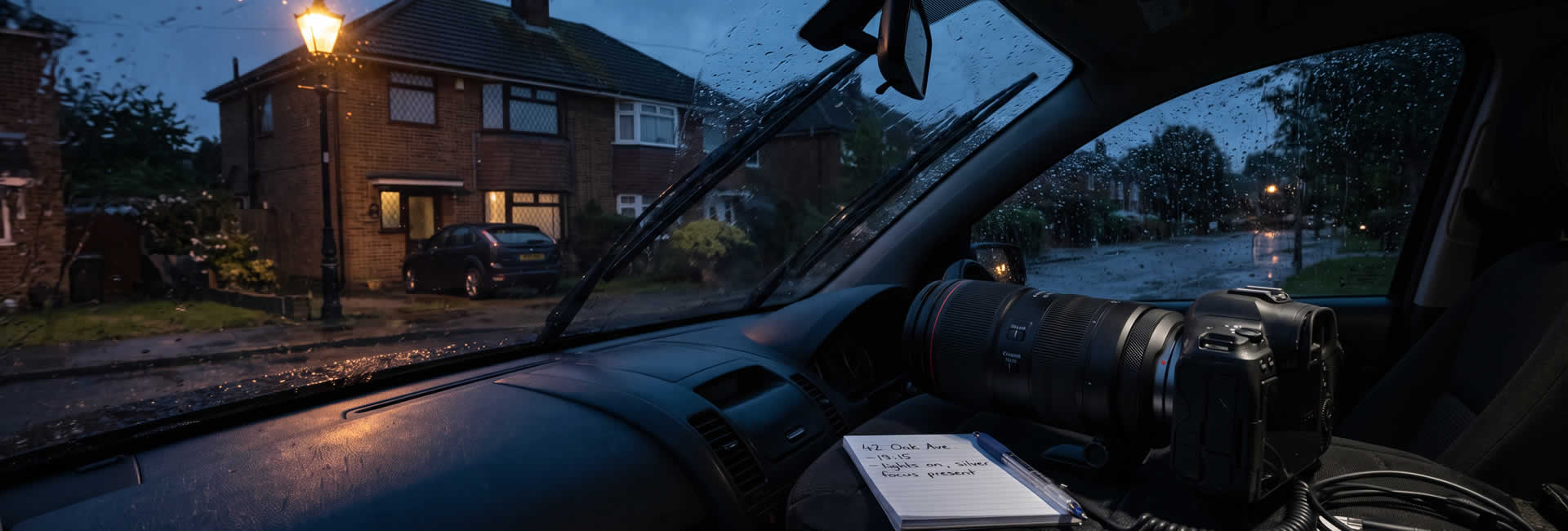
Tenancy Fraud: An Overview
Tenancy fraud occurs when an individual or organisation provides false information or misuses a property rented from a landlord, often a public housing authority or private landlord, in violation of the tenancy agreement. This type of fraud can include subletting a property without permission, providing false information on housing applications, or misrepresenting personal circumstances to receive housing benefits.
Here are some common forms of tenancy fraud:
1. Subletting Without Permission
- What it is: The tenant rents out the property (or part of it) to someone else without the landlord’s knowledge or consent. This is one of the most common forms of tenancy fraud.
- Why it’s a problem: Most tenancy agreements prohibit subletting without the landlord’s approval. Subletting often occurs at a profit, where the fraudster charges the subtenant more than the rent they are paying. This is particularly prevalent in social housing, where rents are subsidised.
2. Abandonment
- What it is: The tenant leaves the property and lives elsewhere, while keeping the tenancy agreement in place. This can happen when someone secures public or affordable housing but chooses to live in a different location.
- Why it’s a problem: This deprives individuals in genuine need of housing. The fraudster may leave the property empty or sublet it to someone else while they live elsewhere.
3. False Information on Housing Applications
- What it is: Providing false or misleading information when applying for housing to secure a property they would not otherwise be eligible for. This could include:
- Lying about income or financial status to receive housing subsidies or affordable housing.
- Misrepresenting family circumstances, such as claiming dependents or household members who do not actually live with the tenant.
- Why it’s a problem: Misrepresenting personal circumstances to gain access to social housing or benefits prevents individuals with legitimate needs from obtaining housing.
4. Right to Buy Fraud (UK)
- What it is: In the UK, social housing tenants may be eligible to buy their rented property at a discounted price under the Right to Buy scheme. Tenancy fraud can occur when the tenant uses someone else’s name or finances to purchase the property, or falsely claims to meet the criteria for the discount.
- Why it’s a problem: This fraud deprives local authorities and housing associations of fair property sales and gives fraudsters access to significant financial benefits.
5. Key Selling
- What it is: The tenant moves out and sells the keys to the property to someone else without notifying the landlord. The new occupant then lives in the property illegally, often paying the original tenant for the keys.
- Why it’s a problem: This denies people in genuine need the opportunity to live there, and the new occupant has no legitimate tenancy rights.
6. Multiple Tenancy Fraud
- What it is: Some individuals may fraudulently apply for and secure more than one property (especially in social housing schemes) by using false identities or other misleading information.
- Why it’s a problem: This blocks other people in need from receiving housing and allows fraudsters to benefit from multiple properties, which they may sublet or misuse.
7. Unlawful Succession
- What it is: When the legitimate tenant dies or moves out, someone else (often a family member or friend) may falsely claim that they have the right to take over the tenancy, even though they do not meet the legal requirements for succession.
- Why it’s a problem: Public housing authorities often allow for succession in cases like the death of a tenant, but only for close relatives or people who have lived with the tenant for a certain period. Fraudulent succession denies rightful tenants the property.
8. Non-Residence Fraud
- What it is: The tenant claims to reside in a property, usually to maintain eligibility for public housing or benefits, but lives elsewhere. This could include keeping the property as a secondary residence or for occasional use.
- Why it’s a problem: The property is being misused, preventing someone else from using it as a primary home.
Consequences of Tenancy Fraud
Tenancy fraud can have serious consequences for both the fraudster and the housing provider or landlord:
- Legal Consequences: Tenancy fraud is illegal. If caught, individuals can face eviction, hefty fines, and even criminal charges. Social landlords and housing associations often take tenancy fraud cases to court, where fraudsters may also face penalties such as imprisonment.
- Loss of Housing Rights: Tenants found guilty of fraud may lose their tenancy rights, be banned from reapplying for social housing, and be placed on fraud prevention lists.
- Financial Loss for Landlords: Fraudulent activity in private rentals can result in loss of rental income and damage to property. For social landlords, tenancy fraud reduces the availability of housing for those in need.
- Eviction of Subtenants: If someone is living in a property as a result of subletting fraud, they can be evicted with little notice, even if they have been paying rent to the fraudulent tenant.
Preventing and Detecting Tenancy Fraud
Here are some ways to prevent and detect tenancy fraud:
- Regular Inspections: Landlords and housing authorities can conduct regular property inspections to ensure that tenants are adhering to the tenancy agreement.
- Reporting Suspicious Activity: Tenants, neighbours, and the general public can report suspected tenancy fraud to housing authorities or landlords.
- Data Matching: Local councils and housing authorities can use data-matching techniques, such as cross-referencing information from different databases to detect fraudulent claims or discrepancies in tenant information.
- Tenancy Audits: Housing providers may conduct tenancy audits, requiring tenants to verify their identity and confirm who lives at the property.
Conclusion
Tenancy fraud is a serious issue that affects both landlords and public housing authorities. It undermines housing availability for people in genuine need and can result in significant financial losses for housing providers.
Combatting tenancy fraud requires diligence from landlords, regular inspections, and effective reporting and auditing processes. Individuals found guilty of tenancy fraud can face legal penalties, eviction, and lasting damage to their reputation.
If you are a landlord in Essex and surrounding areas and are experiencing issues with your tenant and need professional support to gather more information and evidence, please call us on 01245 570036 and we can help you